Introduction
Mold exposure is an environmental health concern that many adults overlook until symptoms become difficult to ignore. Whether you live in a damp climate, work in an older building, or have dealt with water damage in your home, the mycotoxins released by mold can accumulate in your body over time. Unlike acute illnesses with obvious causes, mold-related health issues develop gradually, making them harder to connect to environmental exposure. The good news is that your body has natural detoxification pathways designed to process and eliminate harmful substances—including mold toxins. Understanding how these systems work and what you can do to support them is essential for anyone concerned about natural detoxification mold exposure. This article explores evidence-based strategies to strengthen your body's ability to clear mycotoxins and recover from mold exposure.
Understanding Mold Exposure and Mycotoxin Accumulation
Mold is a fungus that thrives in moist environments and releases microscopic spores into the air we breathe. When mold colonies become established in walls, basements, HVAC systems, or other damp areas, they produce secondary metabolites called mycotoxins—toxic compounds that can become airborne and enter your respiratory system. Unlike mold spores themselves, which are relatively large and often filtered by nasal passages, mycotoxins are tiny molecular substances that penetrate deep into the lungs and, over time, can enter the bloodstream.
The challenge with natural detoxification mold exposure is that mycotoxins don't always produce immediate symptoms. Some people experience noticeable reactions within days of exposure, while others accumulate toxins silently over months or years. Common mold-producing mycotoxins include aflatoxins, ochratoxin A, and trichothecenes—compounds that research has linked to immune dysfunction, neurological effects, and inflammatory responses in the body.
A 2019 study published in the Journal of Environmental and Public Health emphasized that prolonged, low-level exposure to mycotoxins can be particularly problematic because individuals may not recognize the connection between their symptoms and mold in their environment. This lag between exposure and noticeable illness means that by the time someone seeks help, they may have accumulated a significant mycotoxin burden. Your liver, kidneys, and lymphatic system are your primary defense mechanisms, but these organs work more effectively when properly supported through nutrition and lifestyle habits.
Signs and Symptoms of Mold Exposure
Recognizing mold exposure symptoms is the first step toward addressing the problem. However, mold-related symptoms are often nonspecific and can mimic other common conditions, which is why many cases go undiagnosed. Respiratory symptoms are among the most common: persistent cough, wheezing, shortness of breath, and sinus congestion frequently appear in people exposed to mold. Some individuals develop asthma-like symptoms even if they had no previous history of asthma.
Beyond the respiratory system, mold exposure can trigger widespread inflammatory responses. Joint and muscle aches, chronic fatigue, and brain fog are frequently reported. People often describe a persistent tiredness that doesn't improve with adequate sleep, along with difficulty concentrating or remembering information. Headaches and mood changes, including depression and anxiety, have also been associated with mycotoxin exposure in clinical observations.
Gastrointestinal symptoms should not be overlooked either. Some individuals experience digestive issues such as nausea, diarrhea, or food sensitivities after mold exposure. A 2021 review in Frontiers in Immunology noted that mycotoxins can affect gut barrier integrity, potentially contributing to increased intestinal permeability—sometimes called "leaky gut." Additionally, some people develop skin reactions: rashes, hives, or unusual itching without an obvious dermatological cause. Because these symptoms are so varied and can overlap with many other conditions, doctors sometimes miss the mold connection. If you've experienced a cluster of these symptoms after water damage or in a visibly moldy environment, mold exposure may be worth investigating.
The Impact of Mold Exposure on Daily Life and Health
Living with the effects of mold exposure can significantly diminish quality of life. The persistent fatigue alone can make it difficult to maintain work performance, exercise regularly, or enjoy social activities. People often describe feeling "stuck in fog," unable to complete tasks that were previously routine. This cognitive impact extends to decision-making and emotional regulation, creating frustration both for the individual and their loved ones.
The chronic inflammatory state triggered by mycotoxins can also interfere with sleep quality, creating a vicious cycle: poor sleep weakens immune function, which then struggles to clear the mycotoxin burden more effectively. Over time, this accumulation can strain the liver and kidneys, the organs responsible for filtering and eliminating toxins. When these organs become overburdened, their natural detoxification pathways become less efficient, allowing more toxins to circulate in the bloodstream and cause ongoing symptoms.
Beyond physical symptoms, the psychological toll of prolonged mold-related illness shouldn't be underestimated. Many people spend months or years seeking answers, visiting multiple doctors, only to be told their symptoms are stress-related or psychosomatic. This diagnostic uncertainty can lead to anxiety and depression. Financially, the costs accumulate: mold remediation in homes can be expensive, medical appointments add up, and lost productivity from illness affects income. Understanding that mold exposure is a real, measurable health concern—and that your body's natural detoxification pathways can be supported—helps restore a sense of agency and hope.
Natural Approaches and Lifestyle Strategies for Detoxification Support
Supporting your body's natural detoxification pathways begins with environmental control and lifestyle habits. The most important first step is eliminating the source of ongoing mold exposure. This may mean addressing visible mold in your home through professional remediation, improving ventilation, reducing humidity levels with dehumidifiers, or in some cases, relocating to a less moldy environment. Continuing to live in a mold-contaminated space while trying to support detoxification is like bailing water from a boat without plugging the leak—your efforts will have limited effectiveness.
Once the environment is addressed, focus on optimizing your body's detoxification organs. Your liver is the primary organ processing toxins; support it by staying well-hydrated, as water facilitates the movement of waste through your kidneys and digestive system. Aim for at least 8-10 glasses of filtered water daily, more if you're physically active or live in a dry climate. Adequate hydration also supports lymphatic function, which is crucial for moving waste toward elimination pathways.
Sleep is another cornerstone of effective detoxification. During sleep, your brain enters a state called the glymphatic mode, where cerebrospinal fluid flushes waste products from neural tissue. A 2013 study in Science noted that this "brain cleaning" process is significantly more active during sleep than wakefulness. Aim for 7-9 hours of consistent sleep, maintaining a regular bedtime and wake time even on weekends.
Gentle movement supports lymphatic circulation without overtaxing a recovering body. Walking, swimming, yoga, and tai chi all promote lymphatic drainage better than intense exercise, which can sometimes mobilize toxins faster than the body can eliminate them. Stress management through meditation, deep breathing, or time in nature also matters, as chronic stress elevates cortisol and can impair detoxification function. Finally, limiting exposure to additional toxins—reducing alcohol, avoiding processed foods, and minimizing environmental chemicals—decreases the overall burden your detoxification organs must handle.
Nutrients and Dietary Support for Natural Detoxification
Certain nutrients are particularly important for supporting your body's natural detoxification mold exposure recovery. Glutathione, often called the body's "master antioxidant," is a tripeptide that plays a central role in phase 2 liver detoxification. Your body can produce glutathione if you provide the raw materials: the amino acids cysteine, glycine, and glutamate. Eating sulfur-rich foods like broccoli, cabbage, garlic, and onions provides cysteine; bone broth and collagen sources provide glycine; and legumes and nuts provide glutamate. Some people benefit from N-acetylcysteine (NAC) supplementation, which directly supports glutathione synthesis.
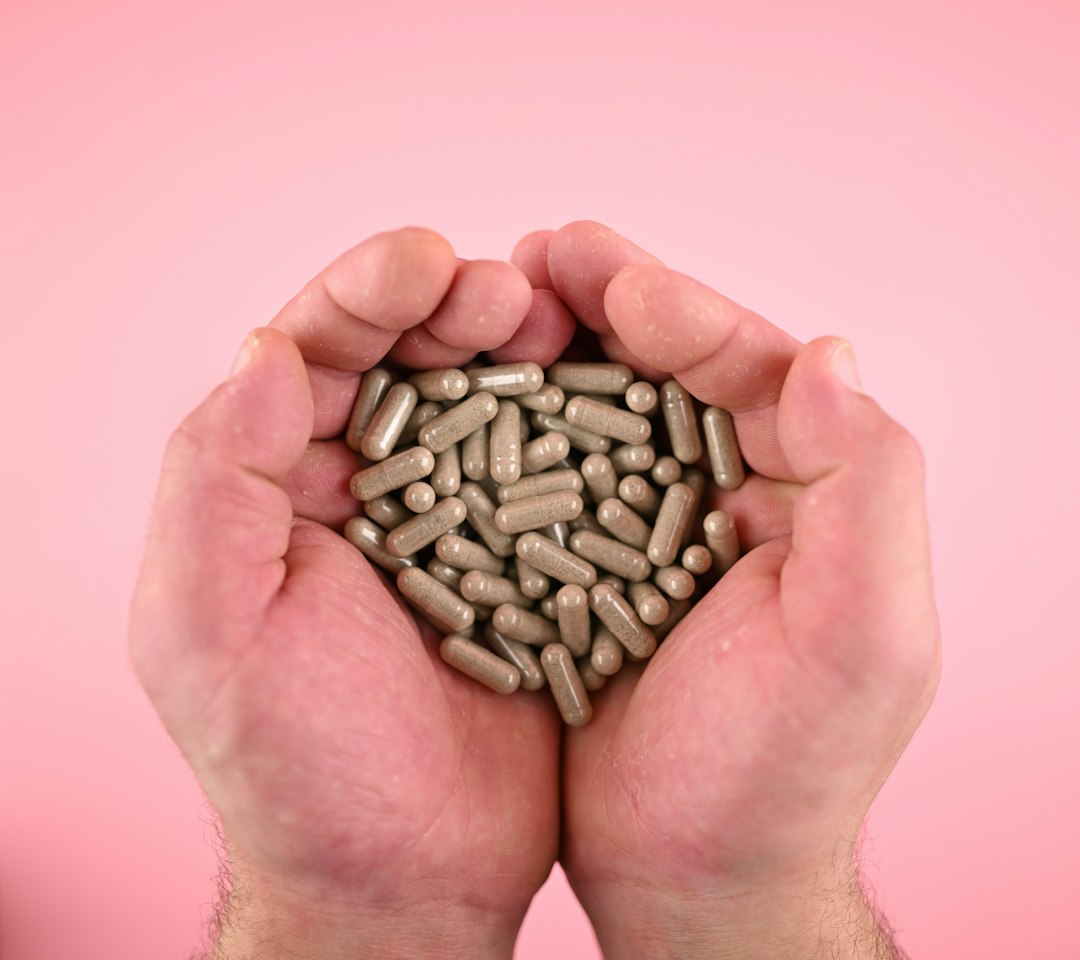
B vitamins are essential cofactors in every phase of liver detoxification. B6, B12, and folate are particularly critical. A 2018 article in Nutrients emphasized that B-vitamin deficiencies are common in people with chronic toxin exposure because detoxification processes consume these nutrients rapidly. Leafy greens, eggs, grass-fed beef, and wild-caught fish are excellent natural sources. This is why many adults turn to targeted detoxification support formulas—one such option designed around these nutritional principles can help fill dietary gaps.
Selenium and zinc both support glutathione production and immune function. Brazil nuts (2-3 per day), pumpkin seeds, and oysters provide these minerals. Vitamin C aids multiple detoxification pathways and supports immune resilience; citrus fruits, berries, and bell peppers are reliable sources. Omega-3 fatty acids reduce inflammation and support cell membrane integrity, helping your body resist further toxin penetration. Fatty fish like salmon and sardines, flax seeds, and walnuts are beneficial.
Finally, ensure adequate fiber intake to support elimination through the gastrointestinal tract. A healthy gut microbiome is essential for processing and eliminating mycotoxins; soluble fiber from oats and chia seeds, and insoluble fiber from vegetables, feed beneficial bacteria. Consider working with a functional medicine practitioner or registered dietitian to assess your individual nutrient status and create a personalized dietary strategy that addresses your specific needs.
Frequently Asked Questions
How long does it take to recover from mold exposure?
Recovery time varies widely depending on the duration and intensity of exposure, your individual genetic factors, and the effectiveness of your detoxification support. Some people notice improvement within weeks of removing the exposure source and implementing supportive strategies, while others with heavy mycotoxin accumulation may require several months or longer. Working with a healthcare provider familiar with mold-related illness can help set realistic expectations for your situation.
Can I use binders like activated charcoal to help with natural detoxification from mold exposure?
Binders such as activated charcoal, bentonite clay, and cholestyramine can help reduce mycotoxin reabsorption in the gastrointestinal tract. However, they work best as part of a comprehensive approach that also includes addressing the mold source, supporting liver function, and ensuring adequate nutrition. Always consult a healthcare provider before starting binders, as they can interfere with medication and nutrient absorption if not used properly.
Should I consider sauna therapy for mold toxin elimination?
Sauna therapy has been proposed for toxin elimination, but evidence specifically for mold toxins is limited. While sweating does eliminate some waste products, the skin is not a primary route for mycotoxin excretion—the liver and kidneys are far more important. Sauna use may be helpful for overall wellness and stress reduction, but should not replace evidence-based detoxification support strategies. Consult your doctor before starting sauna therapy, especially if you have cardiovascular concerns.
Moving Forward With Confidence
Supporting your body's natural detoxification pathways in the context of mold exposure is not a quick fix, but rather a thoughtful, sustained commitment to removing the source of harm and providing your body with the nutritional and lifestyle support it needs to recover. By addressing environmental mold, optimizing hydration and sleep, moving gently, managing stress, and ensuring adequate intake of detoxification-supporting nutrients, you're working with your body's inherent healing capacity rather than against it.
Remember that recovery is individual: what works well for one person may need adjustment for another. Pay attention to your body's signals, keep notes on symptoms and what seems to improve them, and don't hesitate to seek professional guidance from practitioners experienced with mold-related health concerns.
Dealing with the lingering effects of mold exposure can be frustrating, especially when you're doing everything right but still struggling with symptoms. If you're looking for a supplement formulated around the detoxification nutrients discussed in this article, explore Trimoryn's approach to nutritional support and see whether its ingredient profile aligns with your recovery goals.