Introduction
Bacterial infections are among the most common health challenges adults face, yet many people are surprised to learn that not all infections respond to antibiotics the way they should. One major reason is the existence of biofilm infections antibiotic resistant — a phenomenon that has become increasingly recognized by medical professionals over the past two decades. Biofilms are communities of bacteria that work together to form protective barriers, making them extraordinarily difficult to treat with conventional antibiotics. If you've experienced a persistent infection that seems to linger despite antibiotic treatment, or if you're dealing with recurring infections in the same location, biofilm formation may be the culprit. Understanding how biofilms develop, why they resist medication, and what natural defense strategies might support your body's healing process can help you take a more informed approach to your health.
What Are Biofilms and Why Do They Form?
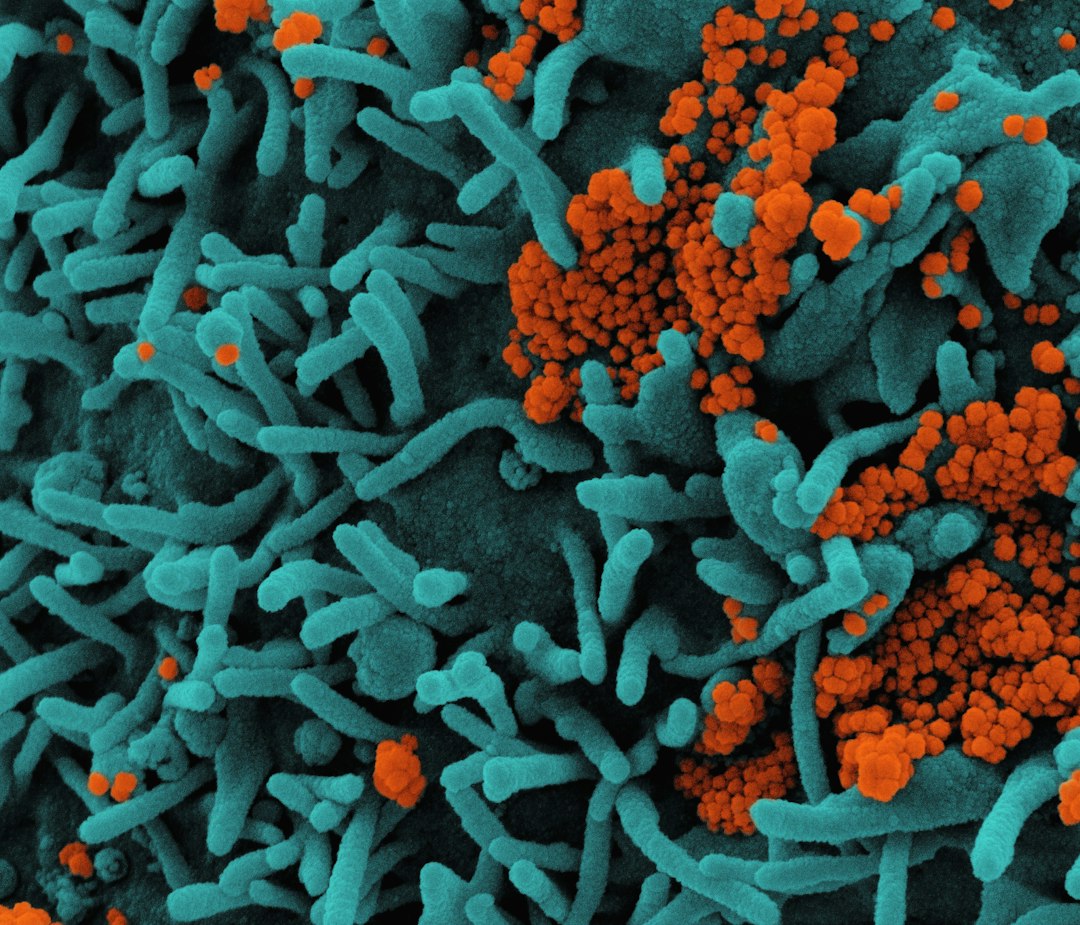
A biofilm is essentially a living community of microorganisms — most commonly bacteria — that stick together and form a protective slime-like matrix. Rather than existing as individual cells floating freely in fluid, bacteria in a biofilm are embedded in a substance made of polysaccharides, lipids, and proteins that they themselves produce. This architectural arrangement is not random; it's a sophisticated survival strategy that bacteria have evolved over millions of years.
Biofilms begin to form when bacteria sense they are in an environment where resources are limited or conditions are stressful. A 2019 review published in the journal Nature Reviews Microbiology explains that bacteria communicate with one another through a process called quorum sensing, allowing them to detect population density and coordinate their behavior. When conditions trigger this communication, bacteria begin secreting the matrix material, essentially creating a fortress around themselves. This matrix serves multiple purposes: it provides structural support, traps nutrients, stores water, and most importantly, it shields individual bacterial cells from antibiotics, immune system attacks, and environmental threats.
Common locations where biofilms form in the human body include the respiratory tract, urinary tract, wound sites, and around medical devices like catheters or implants. The formation of biofilm infections antibiotic resistant often follows tissue damage, surgery, or an initial acute infection that wasn't fully cleared. Once established, a biofilm can persist for months or even years, producing recurring symptoms and becoming a chronic source of inflammation and discomfort.
Signs and Symptoms of Biofilm Infections
Biofilm infections often present differently from acute bacterial infections, and this distinction is important for recognizing when you may be dealing with a chronic biofilm rather than a straightforward infection. While an acute infection typically causes sudden onset of symptoms with clear fever, pain, and systemic signs of illness, biofilm infections tend to be more insidious and chronic in nature.
Common symptoms of biofilm infections include persistent drainage or discharge from a wound or body opening, chronic pain or tenderness in a localized area, recurring fever that comes and goes rather than remaining constant, swelling and inflammation that doesn't fully resolve despite treatment, and a foul odor associated with the affected area. Many people report that symptoms temporarily improve after taking antibiotics but then return within weeks or months after treatment stops — this pattern is highly suggestive of biofilm involvement. Some individuals experience low-grade symptoms that are more of a chronic nuisance than an acute crisis, such as persistent sinus drainage, chronic ear infections, or recurring urinary tract infections.
One telltale sign of biofilm infection is resistance to standard antibiotic therapy. A 2020 study in Frontiers in Cellular and Infection Microbiology found that biofilm-associated bacteria can be up to 1000 times more resistant to antibiotics than their planktonic (free-floating) counterparts. This dramatically reduced susceptibility means that even high doses of antibiotics often fail to eliminate the infection completely. Additionally, biofilm infections frequently involve multiple bacterial species working cooperatively within the matrix, which can complicate diagnosis and treatment. Some people with biofilm infections also report that symptoms flare during periods of stress, poor sleep, or immune system suppression, suggesting that the biofilm persists at low levels until immune defenses weaken.
How Biofilms Compromise Antibiotic Effectiveness
Understanding why antibiotics fail against biofilm infections requires looking at the multiple layers of protection the matrix provides. The slime layer itself acts as a physical barrier that impedes antibiotic penetration — many commonly prescribed antibiotics simply cannot diffuse through the biofilm matrix efficiently enough to reach bacterial cells at therapeutic concentrations. This is particularly true for larger antibiotic molecules that cannot navigate the dense polysaccharide network.
Beyond physical barriers, bacteria within biofilms exist in a metabolically distinct state. A 2021 study in the Journal of Antimicrobial Chemotherapy demonstrated that biofilm bacteria often enter a slow-growth or stationary phase, which is problematic because most antibiotics are most effective against actively growing cells. Antibiotics like fluoroquinolones and beta-lactams specifically target rapidly dividing bacteria; they disrupt cell wall synthesis or interfere with DNA replication. Slow-growing biofilm bacteria simply aren't vulnerable to these mechanisms.
Additionally, the biofilm creates a microenvironment with different pH levels, oxygen gradients, and nutrient availability compared to surrounding tissue. This altered environment further reduces antibiotic efficacy and may even activate genetic resistance mechanisms within the bacterial cells. Some bacteria within the biofilm also produce enzymes that actively break down antibiotics before they can reach their target. This combination of physical protection, altered metabolism, and active defense mechanisms explains why biofilm infections antibiotic resistant are so challenging to treat and why conventional antibiotic therapy alone often fails to provide lasting relief.
Impact on Daily Life and Quality of Living
Chronic biofilm infections take a significant toll on quality of life that extends far beyond the physical symptoms themselves. People dealing with persistent infections often experience emotional fatigue from the frustration of repeated treatment failures, the uncertainty about whether the infection will ever fully resolve, and the social limitations that come with managing a chronic condition.
From a practical standpoint, recurring infections mean frequent medical visits, repeated courses of antibiotics (which come with their own side effects and risks), and sometimes surgical interventions to remove biofilm-colonized tissue or medical devices. The financial burden accumulates quickly, particularly if insurance coverage is limited. Work and family responsibilities often suffer as fatigue and chronic pain make it difficult to maintain normal productivity and engagement.
The psychological impact should not be underestimated. Many people with chronic biofilm infections experience anxiety about symptom flares, depression related to the sense of helplessness when standard treatments repeatedly fail, and frustration with healthcare providers who may not recognize biofilm as the underlying problem. Sleep disturbance is common, both from pain and from the stress of managing a condition that resists conventional treatment. Additionally, there's often a social component — visible symptoms like wound drainage or persistent skin infections can lead to embarrassment and social withdrawal. The cumulative effect is a significant reduction in overall wellbeing and life satisfaction for many people dealing with persistent biofilm-associated infections.
Natural Defense Strategies and Lifestyle Approaches
While biofilm infections require professional medical attention, there are evidence-supported lifestyle strategies and natural approaches that may help support your body's defense mechanisms and create an environment less favorable to biofilm establishment and persistence.
Immune system support is foundational. Getting adequate sleep, managing stress through meditation or gentle exercise, and maintaining overall fitness all strengthen your body's natural ability to fight infection. A 2022 study in Sleep Health found that people with chronic sleep deprivation had significantly higher biofilm burden in respiratory samples compared to well-rested individuals. Stress management is equally important — chronic stress suppresses immune function and can trigger flares of biofilm-associated symptoms.
Wound care and hygiene practices are critical for preventing biofilm formation in the first place. Keeping wounds clean and dry, avoiding unnecessary exposure to bacteria, and following proper dressing protocols can reduce the likelihood of biofilm colonization. If you have a chronic wound, working with a wound care specialist is valuable because regular debridement (removal of damaged tissue) can help disrupt biofilm development.
Hydration and circulation support are often overlooked but important. Staying well-hydrated helps your body maintain stronger immune function and better tissue perfusion, which allows immune cells to reach affected areas more effectively. Some research suggests that certain herbal compounds like those found in ginger, turmeric, and garlic have antimicrobial and anti-inflammatory properties that might support the body's defenses against biofilm, though more clinical research is needed. Local heat application to affected areas can improve blood flow and potentially make the environment less hospitable to biofilm growth. Additionally, avoiding factors that compromise immune function — such as excessive alcohol consumption, smoking, and poor nutrition — helps your body maintain optimal defense capacity.
Nutritional Support for Immune Function
Nutrition plays a crucial role in supporting your immune system's ability to manage biofilm infections antibiotic resistant and maintain overall health. Certain micronutrients are particularly important for immune cell function, antimicrobial peptide production, and inflammatory response regulation.
Vitamin C is fundamental to immune function — it supports white blood cell production and function, acts as an antioxidant to protect immune cells from damage, and plays a role in collagen synthesis for wound healing. A 2020 meta-analysis in the journal Nutrients found that adequate vitamin C status was associated with better outcomes in people with chronic infections. Vitamin D deserves special attention because deficiency is widespread, particularly in adults over 40, and vitamin D plays a critical role in regulating both innate and adaptive immune responses. Studies have shown that people with low vitamin D status have higher rates of chronic infections.
Zinc is essential for immune cell development and function — deficiency impairs the ability of white blood cells to respond effectively to pathogens. The mineral selenium supports the production of selenoproteins, which include antioxidant enzymes critical for immune defense. B vitamins, particularly B6 and B12, are important for immune cell proliferation and function. Iron is necessary for numerous immune functions, though supplementation should be guided by testing since excess iron can actually promote bacterial growth.
Protein intake is often insufficient in older adults, yet adequate protein is essential for producing antibodies and immune cells. Omega-3 fatty acids from fish or plant sources help regulate inflammatory responses and support immune function. Probiotics — beneficial bacteria that colonize the gut — may support systemic immune function through the gut-immune axis, though choosing high-quality probiotic supplements with clinically validated strains is important. This is why many adults turn to targeted immune and nutritional support formulas — one such option is Trimoryn, which combines several key nutrients known to support immune function in one convenient supplement. Polyphenol-rich foods like berries, green tea, and leafy greens provide antioxidant and antimicrobial compounds that support your body's defenses at the cellular level.
Frequently Asked Questions
Q: Can biofilm infections be cured completely, or do they always come back?
A: Many biofilm infections can be significantly improved or eliminated with a comprehensive approach combining professional medical treatment, immune system support, and lifestyle optimization. However, reinfection is possible if the underlying conditions that allowed biofilm formation persist. Working with healthcare providers to identify and address risk factors — such as poor wound care, underlying immune deficiency, or medical device colonization — is essential for achieving lasting improvement.
Q: Are there specific antibiotics that work better against biofilms?
A: Some antibiotics penetrate biofilms more effectively than others — fluoroquinolones, azithromycin, and rifampin generally show better biofilm penetration than many beta-lactam antibiotics. Additionally, combination antibiotic therapy sometimes works better than single-agent treatment. However, your healthcare provider should guide antibiotic selection based on culture results, susceptibility testing, and your specific situation.
Q: How long does it take for a biofilm to form?
A: Biofilm formation can begin within hours to days under the right conditions, but it typically takes days to weeks to become fully established and mature. Early intervention with proper wound care, infection prevention, and immune support is why addressing potential biofilm problems quickly is important for preventing chronic infection establishment.
Supporting Your Recovery Journey
Dealing with persistent infections that don't respond to standard treatment can be incredibly frustrating, especially when you're looking for every possible avenue of support. While biofilm infections require professional medical guidance, supporting your immune system with targeted nutrition is a practical step many people find helpful. If you'd like to explore a supplement specifically formulated to support immune function and the nutritional factors covered in this article, review what Trimoryn offers to see if it aligns with your health goals.