Introduction
If you've recently been diagnosed with histamine intolerance, you may be searching for answers about what triggered it—and whether environmental factors like mold could be involved. The connection between histamine intolerance and mold exposure is less widely discussed than it should be, yet it's a real and significant relationship that many adults over 40 experience without fully understanding why. Mold exposure can both initiate histamine intolerance and severely worsen existing symptoms, creating a cycle that's difficult to break without addressing both the underlying mold problem and the body's histamine processing dysfunction. This article explores how mold exposure contributes to histamine intolerance, what symptoms to watch for, and practical steps you can take to manage both conditions effectively.
Understanding the Mold-Histamine Connection
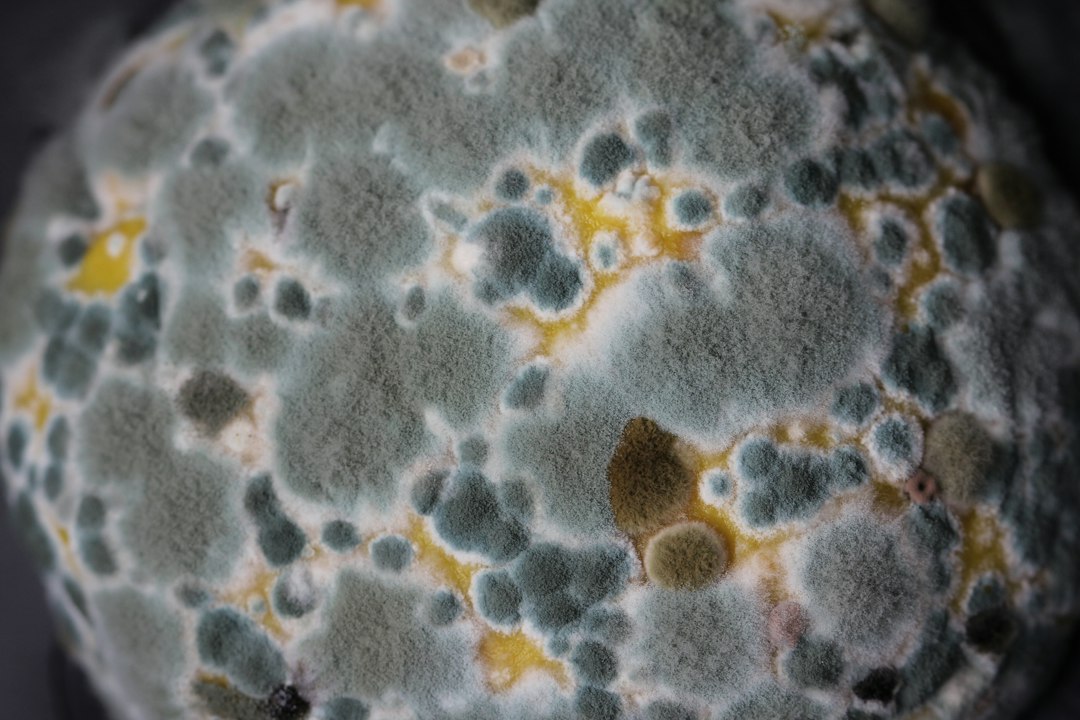
Mold is a fungus that thrives in damp environments—bathrooms, basements, air conditioning systems, and water-damaged walls are common culprits. When mold grows indoors, it releases microscopic spores and volatile organic compounds into the air you breathe daily. What many people don't realize is that mold itself contains and produces histamine. Certain mold species, including Aspergillus, Penicillium, and Alternaria, are particularly high in histamine content. When you're exposed to these molds over weeks or months, you're essentially inhaling a histamine source repeatedly.
The second part of the connection involves your immune system's response to mold. Mold exposure triggers inflammatory responses in the body, activating mast cells—immune cells that release histamine as part of their defense mechanism. This chronic activation forces your body to produce and release excessive amounts of histamine. Over time, combined with a high-histamine inhaled environment and continuous immune activation, many people develop histamine intolerance and mold exposure-related dysfunction. Their bodies become less able to break down and regulate histamine effectively, even after mold exposure ends. The DAO enzyme (diamine oxidase), which is responsible for breaking down histamine in the gut, becomes depleted or dysregulated. A 2019 study in the American Journal of Clinical Nutrition highlighted how environmental stressors like mold can impair DAO production and histamine metabolism over time.
It's worth noting that not everyone exposed to mold develops histamine intolerance. Genetic factors, existing gut health, nutrient deficiencies (especially copper, vitamin B6, and zinc), and overall immune function all play roles in determining who becomes susceptible. This is why two people can live in the same moldy environment and experience completely different health outcomes.
Recognizing Symptoms of Mold-Related Histamine Intolerance
The symptoms of histamine intolerance triggered or worsened by mold exposure can be remarkably varied, which is one reason this condition often goes undiagnosed for years. Common symptoms include headaches or migraines, brain fog and difficulty concentrating, fatigue that doesn't improve with rest, itching and skin reactions, digestive issues like bloating and diarrhea, and nasal congestion or sinus problems. Many people also experience flushing or hot flashes, joint pain or muscle aches, and heart palpitations or irregular heartbeat.
The challenge with mold-related histamine intolerance is that symptoms often feel non-specific and can mimic other conditions—allergies, thyroid problems, or even early menopause in women over 40. Symptoms tend to worsen in damp seasons, after heavy rain, or if you spend time in older buildings or basements. Some people notice their symptoms improve dramatically after leaving a moldy environment, only to have them return when they encounter mold again. This pattern is a strong clue that mold exposure and histamine intolerance are connected.
Neurological and mood-related symptoms are particularly common with mold-related histamine intolerance. Histamine plays a crucial role in regulating sleep, mood, and cognitive function. Chronic elevation of histamine can cause anxiety, depression, insomnia, and difficulty with memory or focus. A 2020 review in Toxins Journal documented how mycotoxins from mold exposure can trigger neuroinflammation, which amplifies the effects of elevated histamine. The combination creates a particularly stubborn set of symptoms that respond poorly to standard treatments for allergies or anxiety alone.
Impact on Daily Life and Work
Living with undiagnosed or poorly managed histamine intolerance and mold exposure-related illness can significantly disrupt your quality of life. Many adults report struggling to maintain productivity at work due to brain fog and fatigue. Social activities become difficult if eating out triggers reactions, or if you have to avoid certain venues due to poor air quality or visible mold. For those whose homes are affected by water damage or mold growth, the stress of managing remediation while dealing with worsening symptoms creates a compounding burden.
Sleep disruption is particularly impactful. Histamine regulates your sleep-wake cycle, and elevated levels often lead to insomnia or non-restorative sleep. This poor sleep then impairs your immune system further, making you more vulnerable to the inflammatory effects of mold exposure—a vicious cycle. Over weeks and months, this can lead to significant fatigue and emotional exhaustion. Many people describe feeling "stuck" because they don't understand why they feel unwell, and standard medical testing often comes back normal, leaving them questioning whether their symptoms are real.
The financial impact can also be substantial—professional mold remediation is expensive, and medical appointments searching for answers add up quickly. Several people dealing with this issue report having to make career changes, reduce work hours, or relocate to find healthier living environments.
Natural and Lifestyle Approaches to Management
The most important first step in managing histamine intolerance triggered by mold exposure is addressing the mold itself. This means having your home professionally inspected for hidden moisture and mold growth, particularly in walls, attics, crawl spaces, and HVAC systems. Even small amounts of mold can perpetuate symptoms. Use a dehumidifier to keep indoor humidity below 50%, fix any water leaks promptly, and ensure good ventilation in bathrooms and kitchens. If you rent, document mold and request immediate remediation from your landlord.
Once mold exposure is controlled, managing histamine levels becomes the next priority. This includes adopting a low-histamine diet (discussed in detail below), reducing other inflammatory triggers, and supporting your body's natural histamine-degrading processes. Stress management is crucial—chronic stress elevates histamine and impairs DAO enzyme function. Practices like gentle yoga, meditation, time in nature, and adequate sleep all support histamine metabolism. Aim for 7-9 hours of consistent sleep, as sleep deprivation directly reduces DAO production.
Gut health is foundational to managing histamine intolerance. Your gut lining produces much of your DAO enzyme, so supporting intestinal health through reduced processed foods, adequate fiber, and potentially working with a functional medicine practitioner on gut healing protocols can make a meaningful difference. Probiotics may help, though some probiotic strains actually produce histamine, so working with a knowledgeable practitioner to choose appropriate strains is important. This is why many adults turn to targeted nutritional support formulas—one such option is Trimoryn, which combines key nutrients involved in histamine metabolism and nerve function in one supplement.
Regular movement and exercise support lymphatic drainage and reduce overall inflammation. Even gentle activities like walking, swimming, or tai chi can be beneficial. Avoid high-intensity exercise during acute flare-ups, as this can temporarily elevate histamine further.
Nutritional Support and Dietary Considerations
Diet is one of the most powerful tools for managing histamine intolerance. A low-histamine diet minimizes dietary sources of histamine while your body heals. High-histamine foods include aged cheeses, cured meats, fermented foods (including many probiotic-rich foods), leftover cooked foods, tomatoes, avocados, chocolate, and alcohol. Fresh, recently cooked foods are your foundation. Fresh meats, fish, and poultry (eaten within 24 hours of cooking), fresh vegetables (except tomatoes), fresh fruits (except citrus, which some people react to), fresh grains, and fresh dairy are generally well-tolerated.
Beyond reducing histamine intake, specific nutrients support your body's ability to metabolize and regulate histamine. Vitamin B6 (pyridoxine) is essential for DAO enzyme production—research in the Journal of Nutritional Biochemistry has shown that B6 deficiency directly impairs histamine breakdown. Copper and zinc are also crucial cofactors for DAO function. Many people with histamine intolerance are deficient in these minerals due to poor absorption or dietary insufficiency. Vitamin C supports immune function and reduces mast cell activation. Quercetin, a natural bioflavonoid found in onions, apples, and berries, acts as a natural antihistamine by stabilizing mast cells.
Bone broth, rich in amino acids and minerals, may be beneficial for gut healing. Adequate protein intake supports neurotransmitter function and immune health. Omega-3 fatty acids from fish or flax help reduce overall inflammation. Hydration is often overlooked but crucial—dehydration impairs enzyme function and histamine clearance.
It's important to work with a functional medicine practitioner or registered dietitian when making these dietary changes, as individual tolerances vary widely. Some people benefit from temporary strict low-histamine diets followed by gradual reintroduction, while others do better with a moderate, long-term approach. A 2018 study in Nutrients Journal found that personalized dietary intervention, combined with nutrient supplementation, produced the best outcomes for histamine intolerance management.
Frequently Asked Questions
Q: Can mold exposure cause histamine intolerance, or does it only worsen existing intolerance?
A: Mold exposure can do both. In genetically susceptible individuals, chronic mold exposure can trigger the development of histamine intolerance from scratch by chronically activating mast cells and depleting DAO enzyme production. In people who already have mild histamine sensitivity, mold exposure significantly worsens symptoms. Either way, addressing the mold source is essential for improvement.
Q: How long does it take to recover from histamine intolerance after mold exposure ends?
A: Recovery timelines vary significantly. Some people notice improvement within 2-4 weeks of leaving a moldy environment, while others take months or longer for their DAO enzyme function to normalize. The length of previous exposure, severity of exposure, and your individual genetics all influence recovery speed. Consistent dietary management and nutritional support typically accelerate healing.
Q: Is there a reliable test for histamine intolerance?
A: Unfortunately, no single, universally accepted diagnostic test exists. Plasma histamine and DAO enzyme activity tests exist but are not widely available and can be unreliable. Most practitioners diagnose histamine intolerance through symptom assessment combined with dietary elimination trials. If symptoms improve dramatically on a low-histamine diet and worsen upon reintroduction of high-histamine foods, this strongly suggests histamine intolerance is present.
Moving Forward
The connection between histamine intolerance and mold exposure is real, measurable, and manageable. By addressing mold in your environment, adopting a supportive diet, ensuring adequate sleep and stress management, and providing your body with the nutrients it needs to produce DAO enzyme and regulate immune function, you can significantly improve your symptoms. If you've been struggling with unexplained fatigue, brain fog, headaches, or digestive issues, exploring whether mold exposure and histamine intolerance are contributing factors could be genuinely life-changing.
If you're managing histamine intolerance and looking for nutritional support, you may want to review what's available specifically for this purpose. Many of the nutrients discussed in this article—B vitamins, zinc, and copper—work synergistically to support your body's natural histamine metabolism. See what Trimoryn offers to learn more about how supplemental support might complement your dietary and lifestyle efforts.